Imagine opening your windows to the soft tap of halyards in the marina and the glow of Grand Traverse Bay catching first light. You can smell coffee brewing, hear a gull overhead, and see kayaks skimming the shoreline. If you’re picturing life on the water in Traverse City, you’re not alone. In this guide, you’ll learn how each shoreline feels, what daily life looks like in every season, and what to know before you buy. Let’s dive in.
Traverse City waterfront at a glance
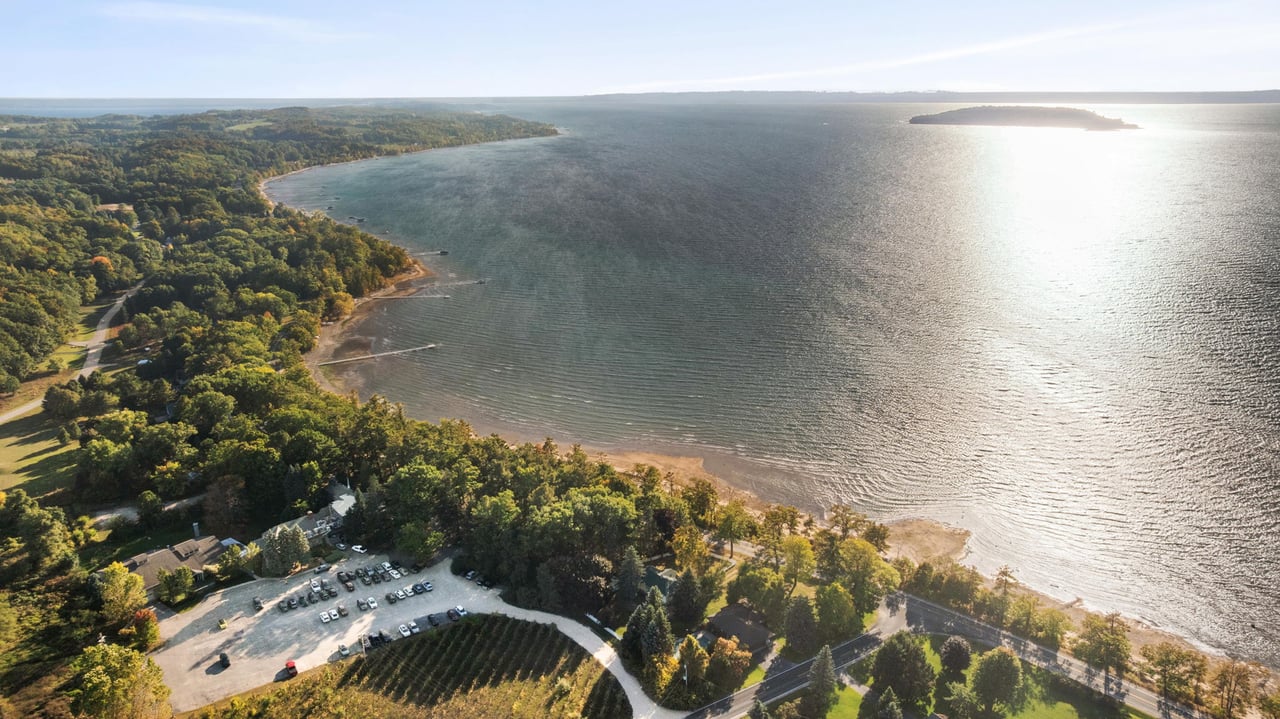
Traverse City sits where Grand Traverse Bay splits around Old Mission Peninsula into West Arm and East Arm. Just inland, the Boardman River and Boardman Lake add calmer, wooded waterfront options a few minutes from downtown. Because the geography shifts quickly, you’ll find very different waterfront experiences within a short drive.
Downtown and Boardman Lake corridor
If you want walkability, this is the heart of it. You’re near Clinch Park’s sandy shoreline, riverfront paths, and a mix of condos and older homes. The water is calmer on Boardman Lake, which is great for paddling and quick evening spins on a paddleboard. Expect more summer foot traffic and festival energy, with city sounds that settle after hours.
West Arm shoreline of Grand Traverse Bay
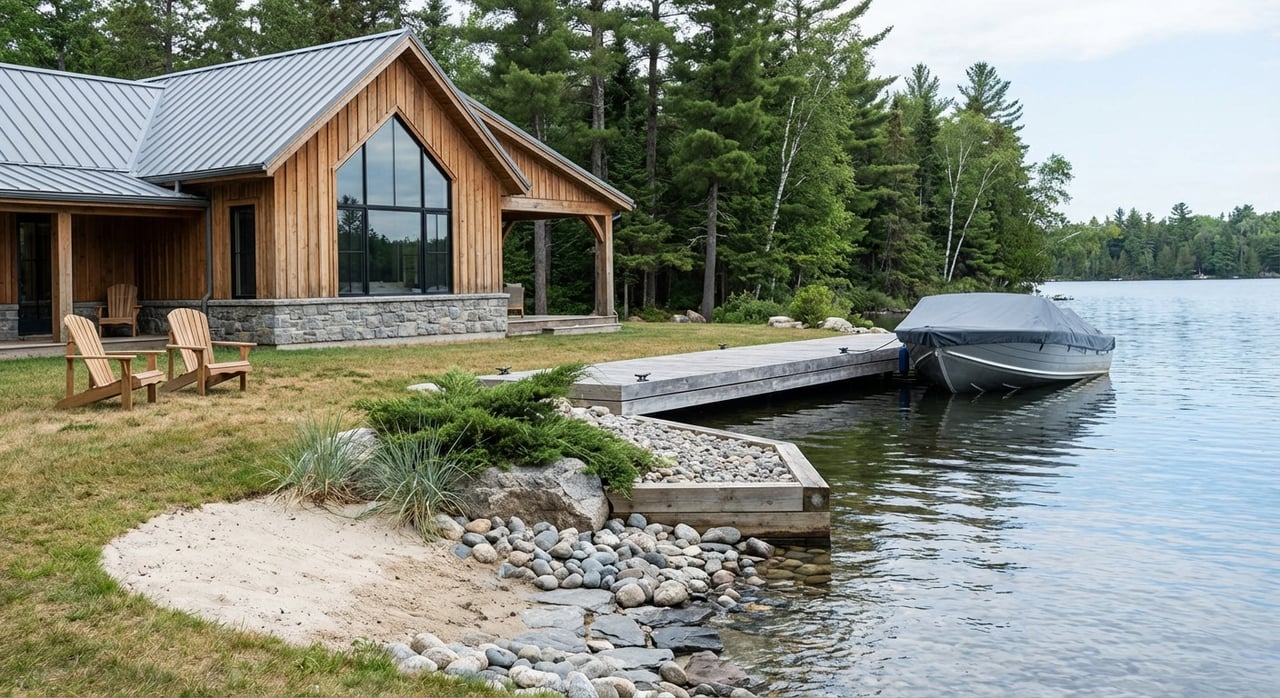
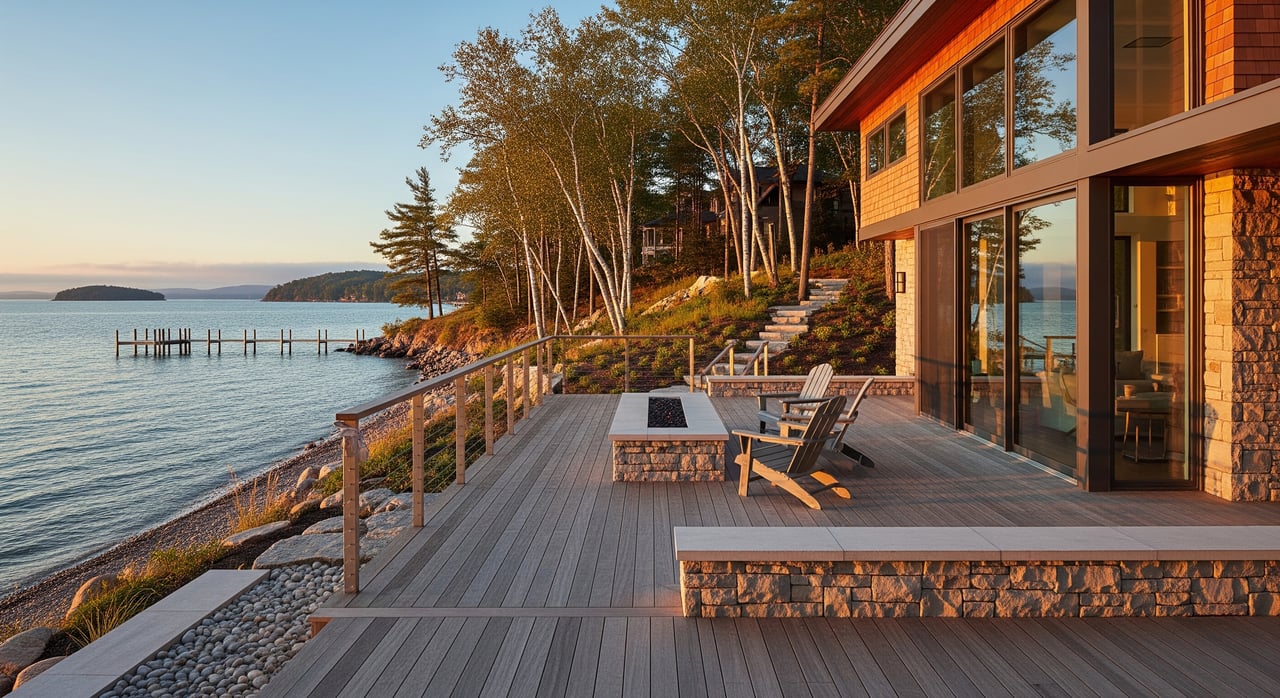
Southwest and west of downtown, you get broad open-water views and classic bayfront living. Many properties have private docks, with sunsets that light up the sky and, on clear days, views reaching toward Sleeping Bear Dunes. You’ll notice more wind, wave action, and boat wakes here compared to protected waters.
Old Mission Peninsula
This long, narrow peninsula feels rural and scenic, with vineyards, orchards, and both sandy and rocky stretches. Lots tend to be larger with more privacy and fewer neighbors in view. Night skies are darker, roads are quieter, and the overall pace is slower. It suits buyers who want space, views, and a vineyard-adjacent lifestyle.
East Arm neighborhoods and East Bay shoreline
East Arm spots are often quieter and more residential, with small marinas and pockets of public access. Views look west toward the peninsula and, in some places, back toward downtown. If you want bay access with a different orientation and a less urban feel, this side may fit.
Nearby inland lakes and riverfront
Smaller inland lakes and river stretches offer sheltered water, less boat traffic, and excellent paddling and fishing. Winter ice activities are more common inland than on the open bay. If you prefer calm water and a quieter shoreline, these areas deliver.
Daily rhythms on the water
Summer weekend energy
Summer brings a lively atmosphere. Marinas hum by mid-morning, kayaks and paddleboards dot the coves, and the beach at Clinch Park fills with towels and umbrellas. Downtown restaurants and cafés lean into the waterfront vibe, and the city’s event calendar adds a festive backdrop. During the National Cherry Festival, the waterfront buzz near downtown is part of the experience.
Winter weekday calm
When the snow falls, the pace shifts. Docks sit under a dusting of white, and some seasonal businesses close. Large stretches of the bay can remain unsafe for ice, so winter recreation shifts to inland lakes and trails. This is a serene time to watch changing light and passing storms from a warm window seat.
Recreation, access, and downtown life
Boating is a staple. You’ll find public launches, marinas, and private docks across the bay and along protected shorelines. Paddle-friendly areas include Boardman Lake and calmer stretches of the river, where families often feel most comfortable. Trail lovers appreciate the TART Trails network, which links neighborhoods to the water and downtown for easy rides or walks.
Beaches are plentiful. Clinch Park is the go-to sandy spot downtown, and there are small public pockets around the bay and on the peninsula. For day trips, the region’s signature dunes and beaches at Sleeping Bear Dunes National Lakeshore are never far. Dining and downtown culture round it out with a strong local food scene and seasonal markets, which you can explore through Visit Traverse City.
What to consider before you buy
Property types and market context
You’ll see a mix of older cottages, year-round homes, luxury builds, and condos. Old Mission Peninsula often offers larger lots and a rural backdrop, while downtown and bay-adjacent areas lean denser and more walkable. Waterfront carries a premium over inland, with value shaped by shoreline type, dock rights, and improvements.
Weather, wind, and waves
Open-bay frontage comes with bigger wind and wave exposure. You may need sturdier docks and shore protection than on protected water. Winter freeze and thaw cycles can stress docks and shoreline structures, so seasonal maintenance is part of the plan.
Flood, erosion, and insurance
Parts of the bayfront and river corridor sit in FEMA flood zones. Check the FEMA Flood Map Service Center to understand a property’s zone and any elevation requirements. Waterfront insurance can be higher and flood coverage may be required in certain zones. If you’re evaluating erosion risk and shoreline work, start early on due diligence.
Permits, docks, and zoning
Docks, boathouses, and shoreline changes often require municipal, county, and state approvals. The Michigan EGLE shoreline permitting guidance is a key resource, and local rules will layer in on top of state oversight. Zoning, setbacks, and short-term rental guidelines vary by area, so confirm details with the City of Traverse City or Grand Traverse County for the parcel you’re considering. Permit timelines can affect your first season on the water, so plan ahead.
Utilities and winter access
Some rural peninsula properties rely on well and septic systems. Inspect capacity and condition as part of due diligence, and confirm internet and power options. In winter, narrower roads and private drives may need attentive snow management; ask about plowing and maintenance agreements.
Maintenance and operating costs
Budget for dock work, seasonal removal or adjustments, and hardware replacement over time. Shore protection like seawalls or riprap may need periodic repair. Shoreline vegetation and lakeweed management can be a homeowner responsibility and may be subject to local rules.
Is waterfront life a fit for you?
- Downtown and Boardman Lake: You want walkability, patios and parks, and easy access to dining and events.
- West Arm open bay: You prioritize sunsets, sailing or powerboating, and a big-sky water view.
- Old Mission Peninsula: You value privacy, vineyards and orchards nearby, and a slower daily rhythm.
- Inland lakes and river: You prefer calm water, paddling and fishing, and a quieter shoreline.
If you’re ready to explore the shoreline that fits your lifestyle, we can help you compare options, understand permits and docks, and arrange private tours. Connect with The Crane Group to start a tailored search. Schedule a Free Consultation.
FAQs
How far are waterfront homes from downtown Traverse City?
- Many bayfront and Boardman Lake locations are minutes away, and Old Mission Peninsula homes are typically a 10 to 30 minute drive depending on how far up the peninsula you go.
Can I keep a boat at a Traverse City waterfront home?
- Many properties have private docks or nearby marinas, but docks and moorings are regulated and may require permits. Public launches and transient slips are also available.
Is summer noisy on the bay near downtown?
- Summer is lively with boats, beaches, and festivals, especially near the city core and Clinch Park. Activity tapers in the evening and is much quieter in winter.
What permits are needed for a dock or seawall on Grand Traverse Bay?
- Shoreline work often requires approvals from local authorities and the state. Start with the Michigan EGLE guidance and confirm local rules with the City of Traverse City or Grand Traverse County.
Do I need flood insurance on a bayfront home?
- It depends on the property’s flood zone. Check the FEMA Flood Map Service Center and consult an insurer early to understand requirements and costs.
Where can I bike along the waterfront without driving first?
- The TART Trails network links neighborhoods to the waterfront and downtown, making it easy to bike for errands, dining, and shoreline views.