Picture your boat easing out onto glassy morning water, coffee in hand, and a short cruise to lunch by the dock. If you’re eyeing a second home on Lake Charlevoix, East Jordan gives you direct lake access with a quieter, more value-forward vibe. We know buying from out of the area can feel complex, especially on the water. In this guide, you’ll learn how East Jordan’s South Arm setting works, what waterfront ownership really grants you, what your budget can buy, and the exact due diligence to run so you can buy with confidence. Let’s dive in.
Why East Jordan for a second home
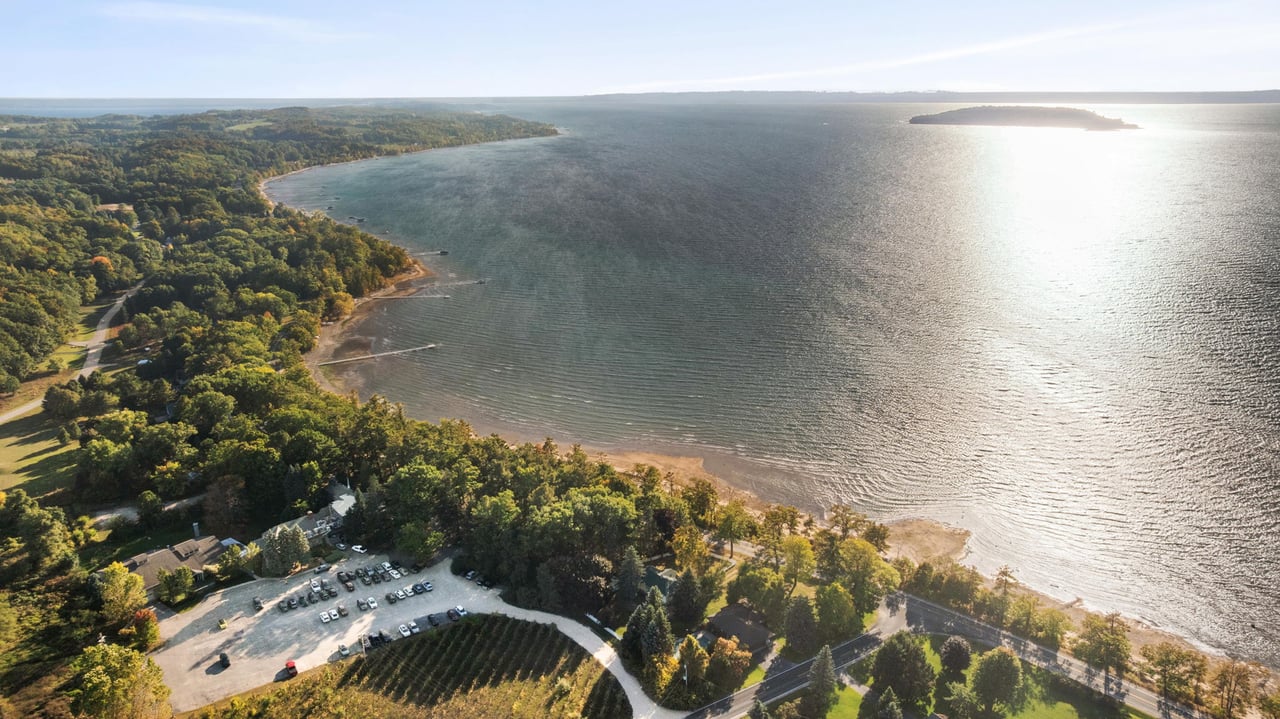
East Jordan sits at the southern end of Lake Charlevoix’s South Arm, right where the Jordan River meets the lake. The city is compact, with easy access to marinas, launch points, and services that support lake life. For many buyers, East Jordan offers a quieter pace and approachable entry prices compared with other Lake Charlevoix towns, while still delivering the on-the-water lifestyle you want. If you prefer big views, easy boating, and less bustle, this corner of the lake deserves a look.
Lake Charlevoix basics that shape value
Lake Charlevoix is one of Michigan’s largest inland lakes at roughly 17,200 acres with about 56 to 60 miles of shoreline and depths in the main basin reaching around 122 feet. These features affect more than scenery. Depth and shoreline type influence whether docks can sit in deeper water, how protected your frontage is from wind, and your practical boating range on the South Arm versus the main basin. If you plan to keep a larger cruiser, fish certain depths, or favor calmer bays, these physical facts matter from day one. Learn more from the Lake Charlevoix Association’s lake overview for context on sections and characteristics: Lake Charlevoix facts and map.
How waterfront ownership works
Not all “waterfront” is the same. In the East Jordan area, you will see a few common setups that affect price, privacy, and use rights:
- Private frontage (littoral ownership): Your lot touches the water, and you typically control reasonable access and certain uses subject to state law.
- Deeded or shared frontage: A platted right to use specific shoreline through an association or community lot. Expect defined rules on docks, slips, and parking.
- Backlots with easements: Your home sits off the shore with recorded access to the lake. Read the easement language closely.
- Condos with assigned slips: Your unit may include or rent a slip. Confirm slip assignment, transfer rules, and waiting lists.
Michigan uses riparian and littoral doctrines that define private rights relative to the Ordinary High Water Mark and state bottomlands. This matters for docks, lifts, boathouses, and shore work. Always verify what your deed, survey, and association documents actually grant. For a plain-English primer, start here: Michigan riparian basics.
Docks, permits, and marina realities
Seasonal docks are common on Lake Charlevoix. As a rule of thumb, many private, seasonal docks that are removed in winter and do not impede navigation are treated differently than permanent or commercial structures, which often require permits. Given that interpretation is site-specific, ask for prior permits and installation history before you write your offer. A helpful overview of permitting logic is here: When do I need a dock permit.
If you prefer a slip in town, East Jordan’s municipal dock offers seasonal and transient options that often work through reservation systems familiar across Michigan marinas. Slip policies, transferability, and availability change year to year, so verify how they operate and if there is a wait list. Start with the municipal overview: East Jordan Municipal Dock.
What your budget can buy
Waterfront pricing in and around East Jordan varies by frontage type, depth, views, privacy, and whether a dock and lift are in place. The following are illustrative ranges based on recent listings and local market patterns. Actual pricing will track condition, frontage feet, and precise location on the South Arm.
- Entry-level waterfront: Often condos, smaller cottages, or homes with shared or shallow-water frontage. You will see options starting near the mid $300s and running into the $600s and beyond depending on slip inclusion and updates.
- Mid-range waterfront: Full single-family homes with private frontage and docks are commonly in the $700k to $1.5M band, with deeper water and more frontage pushing values higher.
- Premium waterfront: Large parcels, custom estates, and deep-water setups suitable for bigger boats often trade at $1.5M and up.
Because lakefront inventory is limited and well-priced homes move quickly, plan to review new listings promptly and have your due diligence checklist ready. The most competitive properties tend to be those with comfortable site topography, quality shore protection, and ready boating infrastructure.
Seasonal rhythms and ongoing costs
Northern Michigan’s seasons shape how you use and maintain a waterfront home.
- Slip and service seasons: Many marinas operate on a spring-to-fall calendar with full staffing from roughly mid-May through October. Always confirm seasonal dates and transfer rules if a slip is part of your plan. See local context here: East Jordan Municipal Dock details.
- Winter ice and storage: Docks and lifts are typically removed for winter and reinstalled in spring. Budget for fall haul-out, shrink-wrapping, winter storage, and spring commissioning. Local providers outline common packages: Four Seasons Marina services.
- Insurance and taxes: Waterfront assessments and insurance premiums are usually higher than non-waterfront. Get real quotes early in your process, and review current tax bills for any parcel you are considering.
- Water quality and invasive species: Lake Charlevoix has documented aquatic invasive species, including zebra and quagga mussels and Eurasian watermilfoil. Adopt clean, drain, and dry habits, especially if you move boats between lakes. Learn more from the regional council: Lake Charlevoix water quality overview.
Your due diligence checklist
Use this list to organize showings and structure your offer contingencies.
- Confirm your frontage: Ask for a recent boundary survey that shows property lines and any meander or Ordinary High Water lines. Do not rely only on aerials or old plat maps. A quick legal overview helps frame why these lines matter: Michigan riparian basics.
- Dock and shore permits: Request copies of any EGLE or local permits for docks, lifts, seawalls, or dredging. Clarify whether the dock is seasonal or permanent and whether any slips are assigned or leased. For context on permitting triggers, see: Dock permit guidance.
- Shoreline condition: Note erosion, riprap, seawalls, or failed armoring. Healthy shoreline vegetation and well-permitted protection reduce long-term risk. For lake-specific background, review: Lake Charlevoix water quality.
- Septic and well systems: If applicable, schedule a septic inspection and well water test during your contingency period. Failing systems are expensive to replace.
- Flood and elevation: Check FEMA flood maps and ask whether an elevation certificate exists. Flood insurance can affect your operating costs and lending.
- Title and access rights: Verify any back-lot easements, public road ends, or shared access points that could influence privacy or parking. Review HOA and plat documents for use rules.
- Short-term rental rules: If you plan to rent your property, confirm city or township licensing, state tax collection requirements, and any association restrictions. A general resource for local STR landscapes is here: East Jordan area rental context.
- Utilities and winter access: Confirm road maintenance, snow plowing, internet options, and year-round utility service. Many buyers underestimate winter logistics for remote shore parcels. A local perspective on regional property considerations can help: Charlevoix County property guide.
- Maintenance records: Request service logs for docks, lifts, shoreline protection, septic, HVAC, and major mechanicals. For docks and lifts, ask who installs and removes them each season.
- Marina and HOA meetings: If a slip or association is part of the package, speak with the harbor master or HOA to confirm rules, fees, and wait lists. Start with the municipal context: East Jordan Municipal Dock.
Plan an effective scouting trip
If you can, visit twice before you buy. Tour during peak season to experience boat traffic, dining access by water, and weekend rhythms. Then return in the shoulder or winter season to understand snow, plowing, and off-season quiet. This two-visit strategy helps you see how the same shoreline lives very differently across the calendar. For a seasonal mindset check, this piece offers useful perspective: Navigating busy lake weekends.
How we help second-home buyers succeed
Waterfront is a specialty. We help you vet frontage types, confirm legal rights, and understand dock, slip, and shore protection details before you commit. Our team coordinates virtual tours, connects you with the right surveyors and inspectors, and manages offer, permit, and closing logistics so you can buy confidently from out of the area. When you are ready, we will pair your wish list with the best opportunities on the South Arm and across Lake Charlevoix.
Ready to talk through timing, budget, and target shoreline? Schedule a conversation with The Crane Group, and let’s map the path to your East Jordan second home.
FAQs
What makes East Jordan attractive for second homes on Lake Charlevoix?
- East Jordan offers direct South Arm access, a quieter pace, and approachable entry points compared with other lake towns while keeping you close to marinas and services.
How do Michigan riparian rights affect my Lake Charlevoix frontage?
- Your private rights are balanced by state-managed bottomlands and the Ordinary High Water Mark, which influence dock placement, shore work, and required permits.
Do I need a permit to install a dock at an East Jordan home?
- Many seasonal private docks are treated differently than permanent or commercial structures, but rules are site-specific, so verify prior permits and local interpretation.
How competitive is the East Jordan waterfront market for buyers?
- Inventory is limited and well-priced properties move quickly, so plan fast showings, have financing ready, and use tight contingencies with targeted inspections and surveys.
What annual costs should I expect for a Lake Charlevoix second home?
- Budget for seasonal dock and lift services, boat storage, higher insurance, potentially higher property taxes, and routine shore protection or landscaping care.
Can I rent my East Jordan second home short-term?
- It depends on city or township rules and any HOA restrictions; confirm licensing, association policies, and state tax collection before you buy.