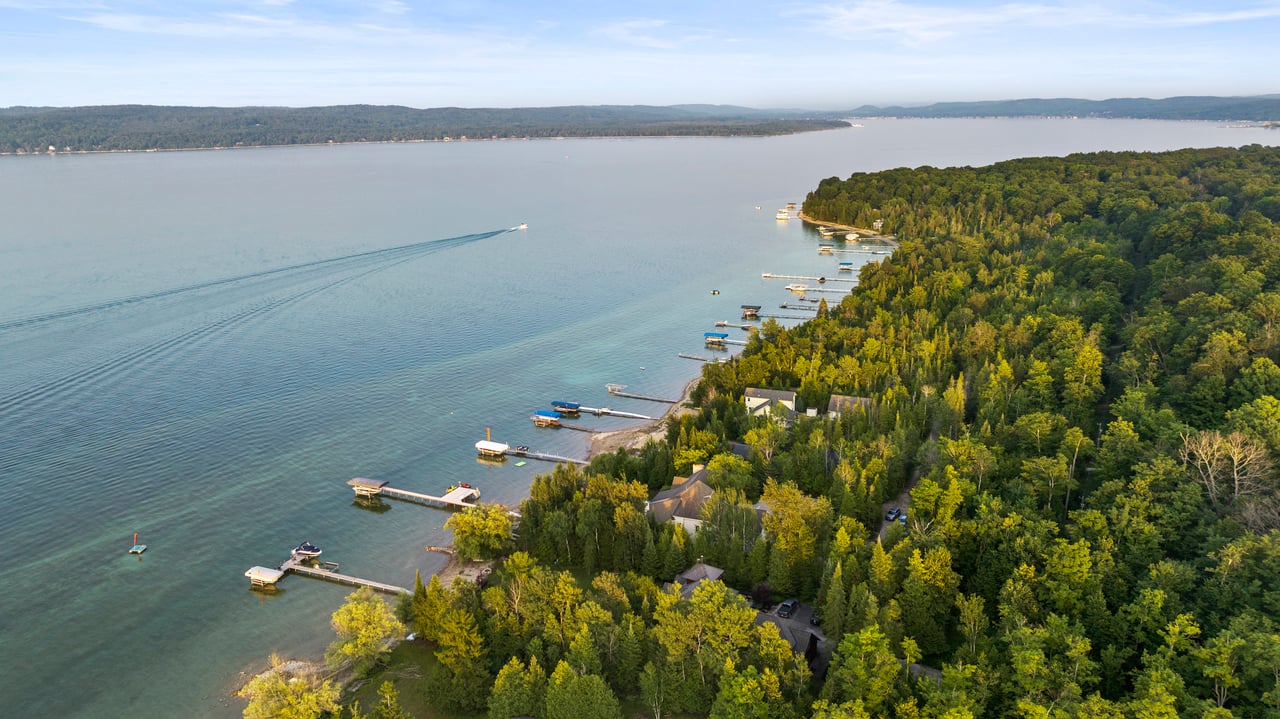
Looking at waterfront homes in East Jordan and wondering how to move fast without missing critical details? Buying on the South Arm of Lake Charlevoix and along the Jordan River is exciting, but it is also more technical than a standard home purchase. With the right buyer representation, you can see opportunities early, complete the right inspections, and write a confident, competitive offer. Here is how you can approach East Jordan waterfront with clarity and a plan. Let’s dive in.
Why East Jordan waterfront is different
Water here comes in many forms. You will find true lakefront on the South Arm of Lake Charlevoix, riverfront along the Jordan River, canal or harbor setups, shared or deeded access through associations, and hilltop or near-shore homes with water views. Shorelines vary too, from sandy, gradual entries to mixed sand and rock, riprap, and established seawalls.
Demand tends to run highest from spring through summer, and inventory is often limited. Desirable frontage can draw multiple offers. Waterfront buyers are typically decision-ready, which means you should be prepared to conduct faster, more technical due diligence than for a standard residential purchase.
How buyer representation protects you
A hands-on buyer’s agent helps you act quickly while covering every waterfront-specific checkpoint. Our approach is built for the South Arm and East Jordan.
Private previews and early access
We work relationships to secure early or private previews when possible. This can include off-market conversations, pre-list updates, and coordinated boat-based showings for South Arm properties. Getting in first lets you schedule specialized inspections before the broader market catches up and reduces competition.
Virtual tours and digital due diligence
If you are out of market, we set up live video walkthroughs, high-resolution shoreline photography, drone footage of the lot and neighboring shoreline, and 3D interior tours. We annotate parcel maps with approximate frontage and known easements when available. Virtual tools shorten your decision timeline, but they do not replace in-person inspections for shoreline stability, bathymetric depth, or septic and well testing. We help you plan both.
Speed, communication, and offer readiness
You will want proof of funds or lender pre-approval before you tour. We pre-build your offer framework so we can move quickly when the right home appears. Your offer should highlight readiness, yet keep realistic timelines for waterfront complexity. We recommend clearly defining what conveys, especially docks, boat lifts, buoys, and boathouse items.
Coordination and sequencing
We help schedule and sequence inspections, line up marine and shoreline specialists, request prior permits, and review likely permit outcomes for your plans. Seasonality matters here. Some shoreline work is inspected or permitted only at certain times of year, and ice conditions can affect both access and what inspectors can verify.
Waterfront due diligence checklist
Waterfront success is about disciplined verification. Here is what to confirm for East Jordan and the South Arm.
Legal and title items
- Deed and legal description: Confirm whether the parcel is littoral (lakefront) or riparian (riverfront) and verify the exact description.
- Survey: Order a current survey showing the waterline, measured waterfront width, setback lines, easements, and any encroachments. Shorelines can shift, so a recent survey matters.
- Easements and access rights: Look for shared driveway, shoreline, or pathway easements and association rights. Confirm whether any neighbors have rights that affect dock placement or shoreline use.
- Title exceptions: Review covenants, restrictions, and recorded rights for any third-party access or dock privileges.
Permits, zoning, and approvals
- Local zoning and setbacks: Verify the City of East Jordan’s shoreline setbacks, accessory structure rules, and any waterfront overlays.
- State and federal permits: Many shoreline changes require state approvals for docks, seawalls, boathouses, or dredging. Confirm that existing structures were permitted and that any past permits were closed out.
- Flood status: Check FEMA flood maps and any elevation certificates to understand flood insurance implications.
Physical inspections and technical checks
- Shoreline and marine structures: Inspect docks, lifts, seawalls, riprap, and any boathouse. Assess for erosion or ice-heave damage. A marine contractor’s opinion is often essential.
- Bathymetry and depth: Verify water depth at the existing or proposed dock location. The South Arm can vary in depth, which affects dock type and boat suitability.
- Septic and well: Arrange a septic inspection and pump-out records review, plus well flow and water quality tests by a certified lab.
- Structural and site: Complete a home inspection that pays attention to freeze-thaw cycles, foundation, and drainage, which can be influenced by shoreline conditions.
- Environmental context: Check for wetlands, required shoreline buffers, and aquatic invasive species expectations. Local lake associations and state agencies track AIS and best practices.
Insurance and cost considerations
- Flood insurance: If the parcel lies in a FEMA-designated flood zone and you carry a mortgage, lenders may require flood insurance.
- Homeowner coverage: Some carriers have specific guidelines for waterfront structures like docks and boathouses.
- Maintenance budget: Build a reserve for dock and lift servicing, seawall upkeep, shoreline stabilization, and septic maintenance.
Utilities and access
- Year-round access: Confirm whether the road is public or private and how winter plowing and maintenance are handled.
- Utilities: Verify sewer versus septic, public water versus well, and broadband availability and speeds.
Offer strategy by frontage type
Different frontage calls for different terms and contingencies. We tailor your offer to your parcel type and plans.
South Arm lakefront parcels
- Priorities: Exact water frontage width, dock and boathouse inclusion and condition, water depth at docking area, permit history for seawalls and docks, and wind or wave exposure.
- Offer approach: Keep inspection windows efficient but realistic for marine and structural specialists. Include survey and title contingencies and require permit history disclosures. If you plan dock changes, consider a contingency tied to the ability to secure necessary permits.
Jordan River and tributary frontage
- Priorities: Bank stability, meander boundaries that can change over time, boat access and obstructions, and floodplain status.
- Offer approach: Emphasize shoreline stability and, when needed, soil or geotechnical review. Confirm riparian rights clearly, especially dock type and seasonal use.
Shared or association frontage with deeded access
- Priorities: Usage rules, how many owners share the access, maintenance obligations, and slip wait-lists or allocation policies.
- Offer approach: Obtain association documents and recorded easements early. Confirm whether any exclusive rights transfer with the property and how assessments are handled.
Water-view parcels without legal frontage
- Priorities: Realistic expectations for recreation and access, reliance on public launches, or private easements.
- Offer approach: Avoid paying a waterfront premium if access is limited. Ensure marketing language is precise about frontage and rights.
Lots with seawalls, riprap, or boathouses
- Priorities: Permit compliance and repair history. Replacement or repair may require approvals.
- Offer approach: Negotiate credits or price adjustments when structures show deferred maintenance or lack permits.
The vendor bench you will want in East Jordan
Your buyer’s agent should have specialists ready to go so you can hit inspection windows with confidence.
- Surveyor with littoral and riparian boundary experience.
- Marine contractor and dock builder familiar with South Arm depths and permitting.
- Seawall and shoreline stabilization contractor who understands local erosion control.
- Licensed septic inspector and local septic contractor versed in county health requirements.
- Well contractor and certified lab for water testing.
- Structural home inspector with waterfront experience, plus a marine structure inspector.
- Title company and real estate attorney experienced with easements and shoreline rights.
- Environmental consultant when wetlands or AIS concerns are likely.
When vetting, ask for local references, proof of insurance, clarity on scope and timing, and familiarity with EGLE processes and seasonal constraints. Clear written estimates and realistic timelines are essential during peak season.
A step-by-step process that works
- Pre-brief and financing: Clarify your frontage preferences and boating needs and secure a pre-approval or proof of funds.
- Early access: Pursue private or pre-market previews, with virtual options if you are not local.
- Offer framework: Pre-draft terms that protect waterfront contingencies while showing readiness.
- Inspections: Order survey if needed, then coordinate marine, septic, well, and structural inspections in parallel.
- Permits and plans: If you want to modify docks or shoreline, consult vendors and evaluate permit likelihood during your inspection period.
- Title and records: Review deeds, easements, and any recorded association documents along with a title commitment.
- Close and possession: Confirm transfer and operation of docks and lifts and schedule seasonal tasks like winterization or installation.
Seasonal timing and what it means for you
Shoreline contractors are busiest in late spring and summer. Some work is limited to certain months to protect the lake and river environment. Winter and ice can mask or create issues, including freeze-thaw and ice heave at docks and seawalls. If you view a property off season, plan a follow-up assessment when conditions allow.
Local context to keep in mind
The South Arm includes coves with sandy and gradual slopes as well as stretches with mixed sand and rock or riprap. Developed lots may use seawalls or bulkheads to manage exposure. Boat access and navigation can vary by depth and bottom conditions, so depth checks near docks are important. Lake associations often share guidance on aquatic invasive species and community norms that help you be a good neighbor and steward of the shoreline.
Ready to buy on the South Arm?
You deserve representation that blends early access, technical due diligence, and a calm, coordinated process. If you want a boutique team with Northern Michigan lake expertise and hands-on guidance from first call to closing, connect with The Crane Group. We will tailor a plan to your frontage goals and timing.
FAQs
What should I verify before buying East Jordan lakefront?
- Confirm frontage type and width on a recent survey, review permit history for any dock or seawall, verify water depth at the docking area, and complete marine, septic, well, and home inspections.
Do docks and boat lifts usually convey with the sale?
- Never assume. Many sellers exclude or separately sell docks and lifts. Make inclusion, condition, and any warranties explicit in the purchase agreement.
How do permits work for new or modified docks and seawalls?
- Approvals depend on local zoning and state requirements. You should verify prior permits and consult vendors early to gauge whether your desired changes are feasible.
How is water frontage measured on Lake Charlevoix?
- Typically along the ordinary high-water mark, but you should confirm measurements on a current survey and match them to the legal description.
Do I need flood insurance for South Arm or riverfront homes?
- If the property lies in a FEMA-designated flood zone and you have a mortgage, your lender may require flood insurance. A review of maps and an elevation certificate will clarify.
What inspections are unique to waterfront homes in East Jordan?
- A marine and shoreline review, bathymetric depth check at the dock site, septic inspection and pump-out review, well flow and water quality testing, and a home inspection that considers freeze-thaw and drainage.