Thinking about a move to Bellaire in Northern Michigan? You want small-town convenience, lake access, and a calm pace that still connects to regional hubs. In this guide, you’ll get practical steps for daily life, seasons, commuting, inspections, and how to buy confidently from afar. Let’s dive in.
Bellaire at a glance
Bellaire is the village seat of Antrim County in the Chain of Lakes region. You’ll find a compact service center with grocery, hardware, banks, and local dining, plus easy access to surrounding rural and lakefront neighborhoods. The area draws year-round residents and seasonal owners, so plan for summer activity on lakes and snow-filled winters. If you want a lifestyle centered on water, trails, and a friendly village core, Bellaire fits well.
Everyday essentials
Government and utilities
Inside village limits, the local government handles street maintenance and snow removal on village roads, along with certain permits. County offices manage broader services like the treasurer, assessor, and register of deeds. If you are evaluating lakefront or rural parcels, confirm septic and well permits and any shoreline rules with village and county planning departments. Trash, recycling, and inspection requirements can differ between village and outlying addresses, so verify by address before you move.
Schools and child care
Bellaire Public Schools serves the village and nearby townships. If you have students, check school boundaries, enrollment policies, and after-school options in advance. When relocating mid-year, request transcripts and special education records early to keep the process smooth. Child care and preschool slots are limited in small communities, so call providers well ahead of your target move date.
Healthcare access
You can expect primary care, urgent care, dental, and some specialists locally or in nearby towns. For major hospitals and full specialty care, plan on regional centers such as the Traverse City area. If you have ongoing care needs, confirm drive times and emergency routes in both summer and winter conditions. Ask about local EMS coverage and typical response patterns, especially for more remote lakefront addresses.
Internet and energy
Broadband availability varies by address. Village homes often have stronger wired options, while rural and lakefront properties may need DSL, fixed wireless, or satellite. Before you tour, check provider maps for the specific address and test mobile coverage on site. For heating, you may find natural gas in some areas, but propane, fuel oil, or electric heat are common; ask for fuel type, age of the system, and typical winter costs.
Shopping and services
The village functions as a small retail hub with everyday essentials. For big-box retail or specialty medical supplies, many residents travel to larger nearby towns. Professional services are available locally or in county hubs, and some specialized needs are in regional centers.
Public safety
Local police coverage may be through the village or county sheriff, and fire protection is commonly provided by a local volunteer department. Confirm ambulance service coverage and routes to the nearest hospital. If you are considering a rural or waterfront parcel, ask about response times during peak summer or heavy winter weather.
Recreation and seasonal living
Lakes, trails, and winter fun
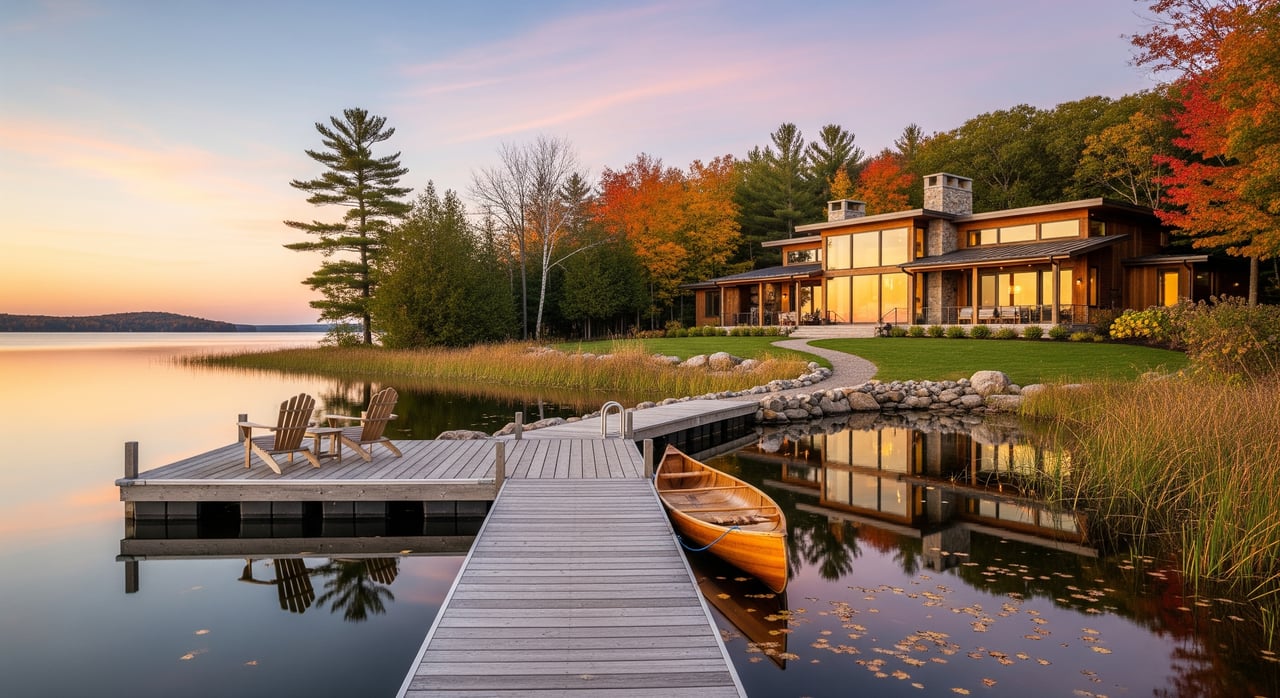
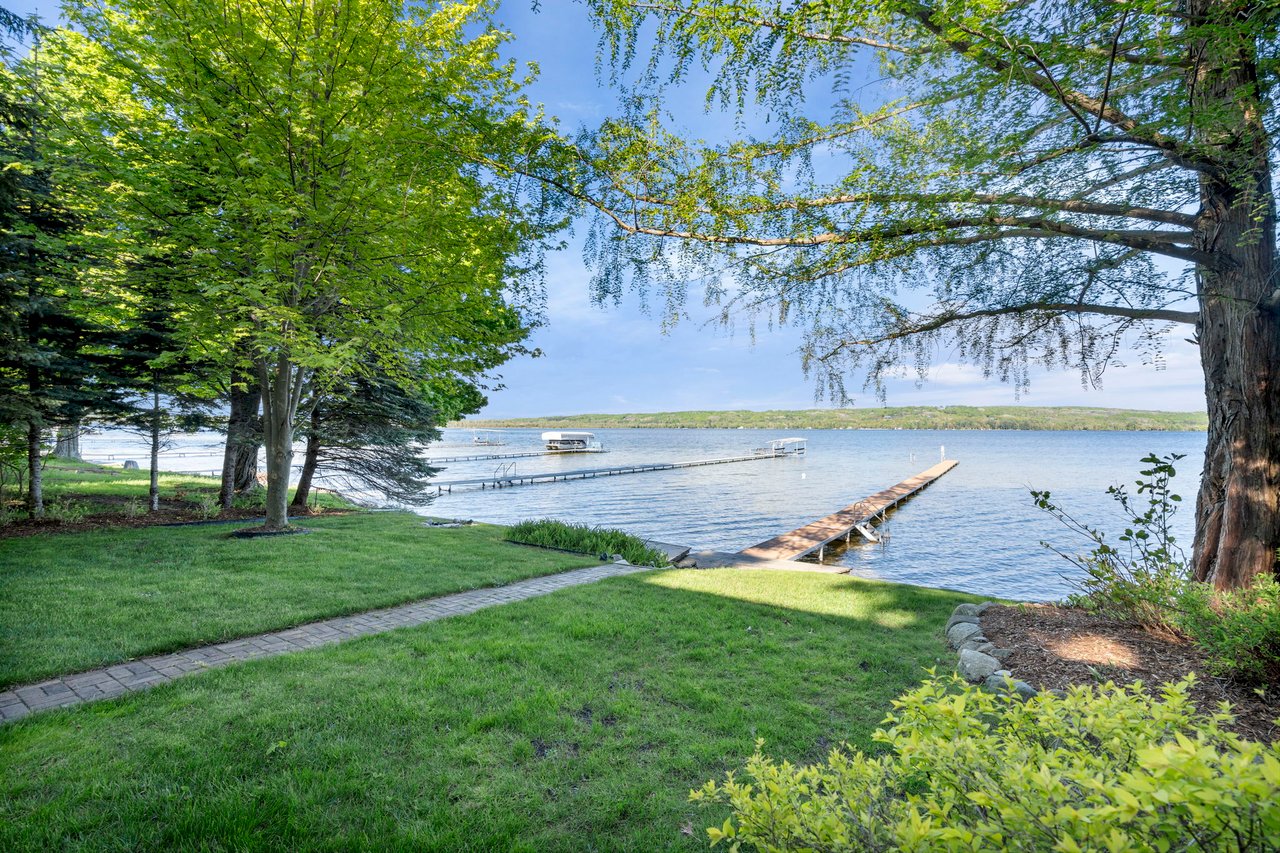
Bellaire sits amid lakes and rivers that support boating, fishing, and swimming. If you are exploring a lakefront purchase, verify riparian rights, dock rules, and any lake association covenants. Area trails and natural areas offer walking, hiking, cross-country skiing, and snowmobiling. Winter is an active season with skiing and ice fishing, and communities often host cold-weather events.
Summer and winter impacts
Summer brings more visitors, busier marinas and restaurants, and higher demand for contractors. Plan service bookings early during peak months. In winter, expect regular snow management for roads and driveways, and plan for occasional power interruptions during storms. Real estate activity often peaks from spring through early fall, especially for lakefront homes.
Maintenance to budget for
Many properties use private wells and septic systems. Request maintenance records, pump schedules, and any recent soil or perc reports. On shoreline parcels, check permit history and any erosion issues. Tree maintenance and storm cleanup are common needs; ask about past claims and local contractor availability.
Commute and regional access
Regional hubs
Residents often travel to regional hubs such as Traverse City and the Charlevoix area for work, healthcare, and shopping. Drive times vary by route, road conditions, and season. If you plan a daily commute, test the drive outside summer weekends and also during winter weather to set realistic expectations.
Roads and winter driving
State highways and county roads connect Bellaire to the broader region. The village manages local street maintenance, while county and state teams handle major roads. Invest in winter-rated tires, keep an emergency kit in your vehicle, and track weather advisories during storms.
Transit and airports
Fixed-route public transit is limited in rural counties. Check county demand-response options if you need ride services. For air travel, the nearest commercial options are in regional centers, including Traverse City’s airport, with smaller general aviation fields in the broader area.
Housing, inspections, and remote showings
What the market looks like
You will see village single-family homes, rentals, seasonal lake cottages, and some newer developments. Lakefront and near-lake properties usually command a premium and can be more seasonal in pricing. Always confirm annual property taxes, special assessments, and whether a parcel lies in the village or a township.
Essential inspections and records
In addition to a standard home inspection, plan for septic inspection and pump verification, well water testing for potability and common contaminants, and a radon test. Review furnace or boiler service records, roof condition, and shoreline erosion evaluations for waterfront lots. For low-lying or riverside parcels, consult flood maps and local drainage information before you write an offer.
Zoning and rental rules
Village and township zoning determine setbacks, accessory structures, and potential home-business uses. Shoreline parcels may carry additional setbacks and restrictions. Short-term rental rules vary across lake communities and may involve licenses or occupancy taxes. Verify applicable ordinances and any association covenants before you finalize your plans.
How remote showings work
If you are shopping from out of market, you can evaluate homes confidently with virtual tools. We arrange narrated video walk-throughs, 3D tours, and live video showings. For lake homes, drone footage helps you understand shoreline, dock access, and neighborhood context. You can review digital inspection files, septic and well records, surveys, tax bills, and disclosures ahead of an in-person visit, and we coordinate mail-away closings and digital signings where allowed.
Checklists
Pre-visit: plan and verify
- Request seller disclosures, recent inspections, septic and well records, surveys, and any association or lake rules.
- Check address-level internet providers and mobile coverage; review school boundary maps and county flood maps.
- Time your visit to see both high season and low season if possible.
First 30 days after closing
- Set up utilities: electricity, heating fuel deliveries, water or well service, trash pick-up, and internet.
- Enroll students; transfer medical and dental records; secure immunization and special education files.
- Change locks, locate the main water shutoff, schedule septic maintenance if needed, and line up a snow-removal plan.
- Update driver’s license and vehicle registration; register to vote if relocating permanently.
Your first winter
- Service the furnace, boiler, or wood stove; order propane or wood early.
- Review village and county snow-removal routes and arrange a driveway plow or snowblower.
- Build an emergency kit and confirm clinic or hospital routes.
For lakefront or rural buyers
- Verify septic inspection results, age, and service history.
- Order well water testing and ask about well yield if you plan irrigation or docks.
- Confirm dock and shoreline permit history, plus any association rules and dues.
How we help
Relocating is easier with a local guide. We combine premium presentation with hands-on stewardship to help you compare village homes and lakefront properties side by side. From remote showings and inspection coordination to address-level checks for internet, utilities, zoning, and shoreline rules, we keep each step organized so you can make decisions with confidence. Ready to explore Bellaire with a trusted partner? Connect with The Crane Group to start your plan.
FAQs
Is a daily commute from Bellaire to regional hubs realistic?
- It depends on destination and season; test your route during non-peak times and in winter to understand how weather and traffic affect drive times.
How can I confirm internet options for a Bellaire address?
- Check provider coverage maps for the exact address and test mobile service on site; rural availability varies by street and even by side of the road.
What inspections are most important for Bellaire homes?
- Beyond the general inspection, prioritize septic evaluation, well water testing, radon testing, heating system service records, roof review, and flood risk checks.
What should lakefront buyers know about docks and shoreline?
- Verify riparian rights, dock and shoreline permits, association rules, and any erosion concerns before you write an offer.
What winter preparation should new residents plan for?
- Service heating systems, secure fuel deliveries early, establish snow removal, and keep an emergency kit in your vehicle and home.
How do remote showings and closings work with your team?
- We provide narrated videos, live virtual tours, drone footage for lake context, digital document review, and mail-away closings with local escrow support where allowed.